MOVIE
Ramayana — Movie Review
Ramayana is an epic mythological film directed by Nitesh Tiwari,
featuring Ranbir Kapoor as Rama, Sai Pallavi as Sita and Yash as Ravana.
The film presents the story of Rama, Sita and their journey from Ayodhya
to exile and ultimately toward the great conflict with Ravana.
⭐ Ranbir Kapoor as Rama
Ranbir Kapoor plays Rama with a calm and controlled screen presence.
Rather than relying only on dramatic dialogue or heroic poses, his
performance focuses on dignity, responsibility and inner strength.
Rama's character carries the responsibilities of a prince, husband,
son and warrior. Ranbir's performance reflects these different sides
through restrained expressions and emotional moments.
🎭 Sai Pallavi as Sita
Sai Pallavi plays Sita, an important emotional character in the story.
Her journey moves from her life with Rama in Ayodhya to exile, separation
and the events surrounding Lanka.
The character requires both emotional strength and vulnerability, especially
during the separation from Rama and the difficult circumstances that follow.
🔥 Yash as Ravana
Yash plays Ravana, the powerful ruler of Lanka and the central antagonist
of Rama's journey.
Ravana is portrayed as a powerful and influential character whose pride,
ambition and decisions eventually bring him into direct conflict with Rama.
The contrast between Rama's calm personality and Ravana's commanding
presence forms an important part of the film's central conflict.
🦅 Visual Effects and World
Ramayana creates a large-scale mythological world covering
Ayodhya, forests, Lanka and the battlefield.
The production combines large sets, digital environments and visual effects
to create the kingdoms, forests, characters and battles shown throughout
the story.
Ayodhya is presented as a grand royal kingdom, while Lanka provides a
darker and more imposing setting for Ravana and his forces.
The visual scale becomes especially important during the larger action
sequences and the eventual conflict between Rama and Ravana.
🎵 Music
The music of Ramayana combines the work of A.R. Rahman and
Hans Zimmer, giving the film a large cinematic soundscape.
The score supports different parts of the story, including Rama and
Sita's relationship, exile, spiritual moments, conflict and war.
The music plays an important role in creating the atmosphere of the
mythological world and increasing the scale of the major sequences.
🎬 Direction
Nitesh Tiwari's direction focuses on presenting the familiar story of
Rama, Sita and Ravana on a large cinematic scale.
The film balances character-driven moments with large locations,
visual effects and action sequences. The relationship between Rama and
Sita remains central to the emotional side of the story, while Rama's
conflict with Ravana drives the larger narrative.
⚔️ Action
The action sequences form a major part of the film, particularly the
conflict involving Rama, Ravana and their respective armies.
The scale of the battles allows the film to show large armies, weapons,
warriors and mythological characters within the larger world of Lanka.
The final conflict between Rama and Ravana becomes the central action
point of the story.
❤️ Emotional Story
At its core, Ramayana is a story about family, love, duty,
sacrifice and responsibility.
Rama's relationship with Sita, his bond with Lakshmana, his responsibility
toward his family and kingdom, and his eventual conflict with Ravana
provide the emotional foundation of the film.
The story moves from the peaceful life of Ayodhya to exile and eventually
to the war in Lanka, giving the film a progression from personal
relationships to a large-scale confrontation.
🏹 Final Review
Ramayana presents the familiar story of Rama, Sita and Ravana
through a large-scale cinematic production. Ranbir Kapoor leads the film
as Rama, Sai Pallavi plays Sita and Yash takes on the role of Ravana.
The film combines mythology, drama, romance, spirituality and large-scale
action while building its world around Ayodhya, the forest and Lanka.
The central journey of Rama and Sita provides the emotional core, while
the growing conflict with Ravana leads the story toward its major
confrontation.
MOVIE
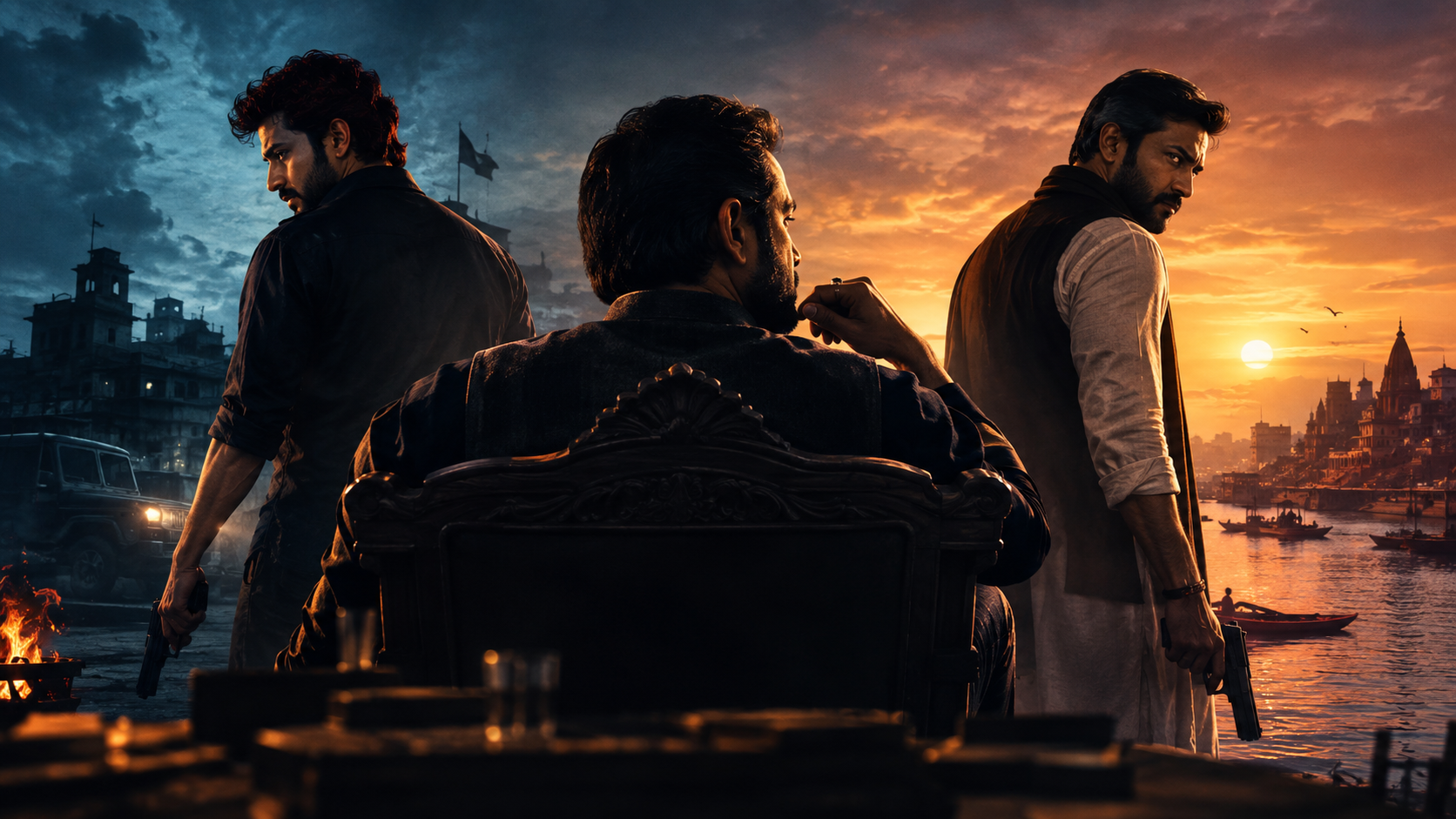
Mirzapur: The Movie Review: Munna, Guddu और Kaleen Bhaiya का भौकाल बड़े पर्दे पर
Mirzapur: The Movie Review: जिस Mirzapur की दुनिया ने OTT पर दर्शकों के बीच
जबरदस्त पहचान बनाई, अब वही कहानी बड़े पर्दे पर पहुंच चुकी है। Guddu Pandit, Munna Tripathi
और Kaleen Bhaiya जैसे किरदारों को दोबारा बड़े पर्दे पर देखना अपने आप में fans के लिए किसी
reunion से कम नहीं है। लेकिन सवाल यही है कि क्या फिल्म उस पुराने भौकाल को दोबारा पैदा कर पाती है?
फिल्म की सबसे दिलचस्प बात यह है कि यह कहानी को सीधे आगे बढ़ाने के बजाय Mirzapur की पुरानी
timeline की तरफ लौटती है। यानी दर्शकों को उस दौर में ले जाया जाता है जब Guddu और Bablu,
Kaleen Bhaiya के साथ काम कर रहे थे और Mirzapur की सत्ता का खेल अपने अलग ही मोड़ पर था।
यही वजह है कि फिल्म को देखने के लिए Mirzapur के पुराने fans के पास पहले से ही characters और
उनके रिश्तों को लेकर एक emotional connection मौजूद है। फिल्म इसी familiarity को अपनी सबसे बड़ी
ताकत बनाती है।
Munna Bhaiya की एंट्री पर फिर मचा भौकाल
अगर Mirzapur universe का कोई character audience को तुरंत अपनी तरफ खींच सकता है, तो वह Munna
Tripathi है। Divyenndu एक बार फिर Munna के उसी arrogant, unpredictable और darkly funny अंदाज
में नजर आते हैं।
उनकी entry से लेकर कई dialogue moments तक फिल्म लगातार उस character की लोकप्रियता को भुनाती है।
Munna की सबसे बड़ी खूबी यही है कि वह एक साथ irritating भी लग सकता है और entertaining भी।
फिल्म में उसके हिस्से में ऐसे कई moments हैं जहां audience reaction स्वाभाविक रूप से आने वाला है।
Divyenndu की dialogue delivery और body language इस किरदार को फिर से जीवंत कर देती है। ऐसा लगता है
जैसे Munna ने Mirzapur की दुनिया छोड़ी ही नहीं थी।
Kaleen Bhaiya का दबदबा अब भी बरकरार
Pankaj Tripathi का Kaleen Bhaiya Mirzapur की कहानी का वह चेहरा है जिसके आसपास पूरी power game
घूमती है। फिल्म में भी उनका अंदाज ज्यादा शोर करने वाला नहीं है। उनकी खामोशी, expressions और
controlled बातचीत कई बार किसी action scene से ज्यादा असर डालती है।
Kaleen Bhaiya और दूसरे power players के बीच टकराव फिल्म को सिर्फ gangster drama नहीं रहने देता।
राजनीति, परिवार और सत्ता की खींचतान कहानी को लगातार आगे बढ़ाती है।
Guddu Pandit की कहानी में Ali Fazal का दम
Ali Fazal का Guddu इस universe का ऐसा character है जिसके अंदर aggression के साथ ambition भी है।
फिल्म में उनका किरदार action और emotional intensity दोनों लेकर चलता है।
खासकर फिल्म के आखिरी हिस्से में Guddu से जुड़े scenes ज्यादा impact पैदा करते हैं। जैसे-जैसे
कहानी अपने बड़े confrontation की तरफ बढ़ती है, Ali Fazal का character भी ज्यादा aggressive
दिखाई देता है।
Climax में Guddu से जुड़ा एक बड़ा moment audience के लिए खास attraction बनता है और यही वह हिस्सा
है जहां फिल्म अपने theatrical treatment का पूरा फायदा उठाती है।
Ravi Kishan की एंट्री ने कहानी बदल दी
फिल्म में नए characters की entry Mirzapur की established power equation को बदलने का काम करती है।
Ravi Kishan का Babban Babua इस कहानी का बड़ा नया player है।
Babban सिर्फ एक और gangster नहीं है। उसका लक्ष्य Mirzapur की सत्ता पर अपनी पकड़ बनाना है और
इसी वजह से उसका Kaleen Bhaiya से टकराव कहानी का महत्वपूर्ण हिस्सा बन जाता है।
Ravi Kishan इस role में पूरी तरह अपनी energy लेकर आते हैं। उनके character में एक बाहरी ताकत का
अहसास है, जो पहले से बने हुए power structure को चुनौती देती है।
Mohit Malik और बाकी नए players
Mohit Malik का Birju Lohar भी नए conflict को मजबूत करता है। वह Babban के साथ है, लेकिन उसके
अपने हिसाब-किताब भी हैं। यही वजह है कि नए characters सिर्फ कहानी में भीड़ बढ़ाने के लिए नहीं
जोड़े गए लगते।
Sushant Singh भी इस power game में एक rival के रूप में दिखाई देते हैं। वहीं Sonal Chauhan का
character कहानी के नए पक्ष को आगे बढ़ाता है।
Jaisalmer वाला हिस्सा Mirzapur की familiar गलियों से कहानी को बाहर निकालता है और फिल्म को एक
अलग visual और narrative flavour देता है।
Beena Tripathi इस बार क्यों हैं खास?
Rasika Dugal की Beena Tripathi Mirzapur universe के सबसे interesting characters में से एक रही हैं।
इस फिल्म में उनके character को कहानी के power game में ज्यादा महत्वपूर्ण जगह मिलती है।
Beena के past से जुड़े पहलुओं को सामने लाने से उनके फैसलों और उनके व्यवहार को एक नया context मिलता है।
वह सिर्फ परिवार का हिस्सा नहीं रहतीं, बल्कि बदलते समीकरणों में अपनी जगह बनाने वाली player बनकर सामने आती हैं।
Bablu का नया चेहरा
Bablu का character भी फिल्म के पुराने fans के लिए खास है। इस बार Jitendra Kumar इस role को निभाते
नजर आते हैं। उनका version ज्यादा calculative और शांत दिखाई देता है।
उनका किरदार Guddu और बाकी characters की तुलना में अलग तरह की intelligence लेकर आता है। इसी वजह से
कहानी के शुरुआती हिस्सों में उनका presence power game को balance करता है।
Humour ने फिर जीता audience का दिल
Mirzapur की पहचान सिर्फ violence और crime से नहीं है। इसके बीच आने वाला dark humour भी franchise
की लोकप्रियता की बड़ी वजह रहा है।
फिल्म इस humour को बड़े पर्दे पर भी बरकरार रखती है। Munna के sarcastic अंदाज से लेकर supporting
characters के छोटे-छोटे moments तक, कई scenes tension को अचानक comedy में बदल देते हैं।
Sheeba Chaddha भी अपने scenes में इसी humour को मजबूती देती हैं। उनका character कई serious
moments के बीच हल्का लेकिन याद रहने वाला flavour लेकर आता है।
Guddu और Munna की rivalry फिर दिखी
Guddu और Munna के बीच की पुरानी ego battle Mirzapur की कहानी का अहम हिस्सा रही है। फिल्म में
दोनों के बीच competition को एक अलग तरीके से इस्तेमाल किया गया है।
दूसरे हिस्से में दोनों के बीच car sequence फिल्म के entertaining moments में शामिल हो जाता है।
यहां सिर्फ action नहीं, बल्कि दोनों characters का attitude और एक-दूसरे को पीछे छोड़ने की कोशिश
ज्यादा मजेदार लगती है।
Kaleen Bhaiya का इस पूरी situation से परेशान होना scene में humour की एक और layer जोड़ देता है।
क्या फिल्म सिर्फ guns और violence तक सीमित है?
नहीं। Mirzapur: The Movie की कहानी में crime और violence जरूर मौजूद है, लेकिन इसके पीछे politics
और power का खेल भी चलता रहता है।
कुछ sequences में धार्मिक और सामाजिक माहौल को बढ़ते राजनीतिक तनाव के साथ parallel दिखाया गया है।
इससे फिल्म को सिर्फ gangster action से आगे ले जाने की कोशिश दिखाई देती है।
यही aspect Mirzapur को बाकी crime dramas से थोड़ा अलग बनाता है। यहां बंदूक के पीछे सत्ता है और
सत्ता के पीछे रिश्तों और महत्वाकांक्षाओं का खेल।
Climax में पूरा खेल पलटता है
फिल्म का सबसे बड़ा payoff इसके final act में मिलता है। जैसे-जैसे सभी players एक जगह पहुंचते हैं,
कहानी तेज होती जाती है।
यहां alliances बदलते हैं, कुछ characters अप्रत्याशित फैसले लेते हैं और पुरानी दुश्मनियां एक
बड़े confrontation में बदल जाती हैं।
Action-heavy climax फिल्म का सबसे theatrical हिस्सा है। अगर आप Mirzapur के fan हैं, तो इस हिस्से
में कई ऐसे moments मिलेंगे जिन पर cinema hall में reaction आना तय है।
Black humour और mass moments का सही इस्तेमाल
फिल्म बहुत ज्यादा गंभीर होने से बचती है। हिंसा और tension के बीच black humour का इस्तेमाल किया
गया है, जिससे कहानी लगातार heavy महसूस नहीं होती।
पुराने characters की वापसी, नए villains और बड़े action moments मिलकर इसे franchise fans के लिए
एक entertaining package बनाते हैं।
Mirzapur fans को देखनी चाहिए या नहीं?
अगर आपने Mirzapur की series देखी है और Munna, Guddu तथा Kaleen Bhaiya के characters से पहले से
जुड़े हुए हैं, तो फिल्म आपके लिए ज्यादा rewarding experience होगी।
फिल्म अपने पुराने audience को ध्यान में रखकर बनाई गई है। कई moments ऐसे हैं जो पुराने episodes,
characters और relationships की याद दिलाते हैं।
वहीं अगर आपने Mirzapur बिल्कुल नहीं देखी है, तो कुछ character relationships और उनकी motivations
समझने में परेशानी हो सकती है। इसलिए इसे देखने से पहले कम से कम franchise की basic कहानी से
परिचित होना बेहतर रहेगा।
Final Verdict
Mirzapur: The Movie कोई पूरी तरह नई शुरुआत करने वाली फिल्म नहीं है। इसकी सबसे बड़ी
ताकत वही दुनिया है जिसे दर्शक पहले से पसंद करते हैं।
Munna के अंदाज से लेकर Kaleen Bhaiya की ठंडी चाल, Guddu का aggression, Beena का calculated game
और Ravi Kishan के नए villain तक, फिल्म अपने universe के ज्यादातर मजबूत हिस्सों को बड़े पर्दे पर
इस्तेमाल करती है।
फिल्म का climax इसका सबसे मजबूत हिस्सा है, जबकि humour बीच-बीच में कहानी को हल्का रखता है।
कुछ जगह कहानी को और तेज किया जा सकता था, लेकिन overall presentation franchise fans को निराश
नहीं करती।
हमारा फैसला: अगर आपको Mirzapur का भौकाल पसंद है, तो इसे बड़े पर्दे पर देखने का
मजा अलग है। यह फिल्म नए दर्शकों से ज्यादा अपने पुराने fans के लिए बनाई गई एक entertaining
theatrical ride लगती है।
और हां, फिल्म खत्म होने के बाद तुरंत थिएटर से बाहर निकलने की जल्दबाजी मत कीजिए। कहानी के अंत में
आगे के संकेत देने वाले post-credit moments भी रखे गए हैं।
ENTERTAINMENT
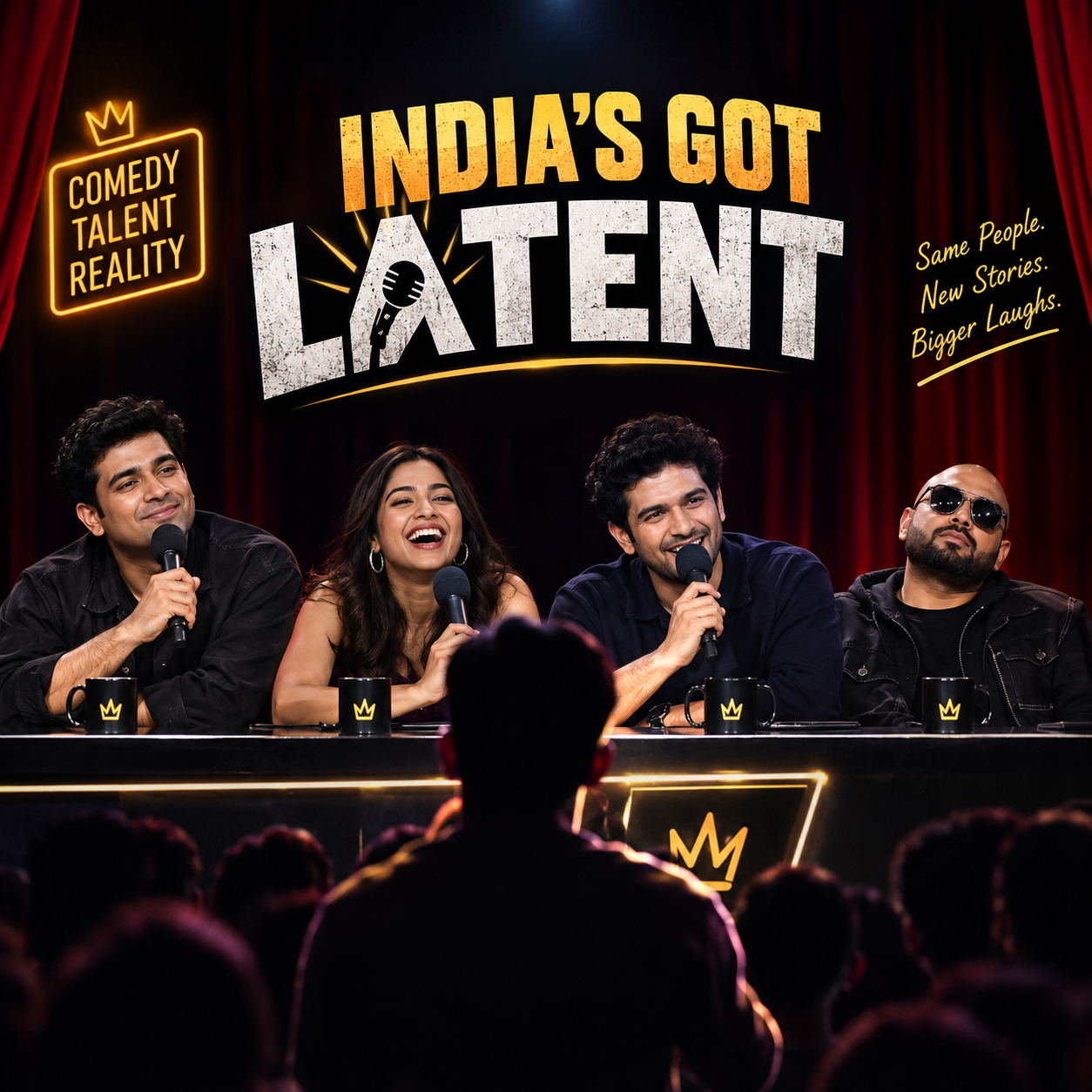
India's Got Latent – The Show That Changed Internet Comedy
Published by MDHub4u Blog • Comedy & Entertainment
India's Got Latent became a major part of online entertainment
culture because of its unusual approach to comedy and audience
interaction. Instead of following the traditional television
comedy format, the show created an environment where contestants,
guests and comedians could interact in a much less predictable way.
The show's internet-first nature helped individual clips and
conversations reach audiences far beyond the original episodes.
Social media played an important role in turning moments from
the show into widely discussed topics.
India's Got Latent became particularly recognizable for its
unpredictable conversations, comedy, roasting and internet-driven
audience culture.
What Makes the Format Different?
Traditional comedy shows generally follow a structured format.
India's Got Latent created a different atmosphere by combining
competition, comedy, audience interaction and conversations that
could move in unexpected directions.
This unpredictability became one of the show's defining features.
Viewers often watched not only for the contestants but also for
the spontaneous interactions between people on the show.
The Role of Social Media
Social media has been an important factor in the show's popularity.
Short clips can travel quickly across platforms, allowing people
who have never watched a complete episode to discover the show.
This creates a different type of entertainment cycle. A single
conversation can generate reactions, memes, discussions and
additional interest in the original episode.
Why People Discuss the Show
Comedy is subjective, and the show's style has generated both
enthusiastic support and criticism. Different viewers can react
very differently to the same joke or conversation.
This mixture of entertainment and debate has helped keep the
program visible within online conversations.
Internet Comedy and Changing Audiences
India's Got Latent is also an example of how entertainment
consumption has changed. Online audiences increasingly prefer
creators and shows that feel less formal and more connected
to internet culture.
The success of such formats demonstrates that audiences are
willing to explore entertainment outside traditional television
structures.
Final Thoughts
India's Got Latent is also an example of how entertainment consumption has changed. Online audiences increasingly prefer creators and shows that feel less formal and more connected to internet culture.
The success of such formats demonstrates that audiences are willing to explore entertainment outside traditional television structures.
Final Thoughts
Regardless of individual opinions about its comedy style, India's Got Latent has become an important example of modern internet entertainment in India.
Its combination of comedy, unpredictable interactions and social-media visibility has created a distinctive place for the show within online pop culture.
WEB SERIES
Game of Thrones Story, Characters & Legacy
Published by MDHub4u Blog Fantasy
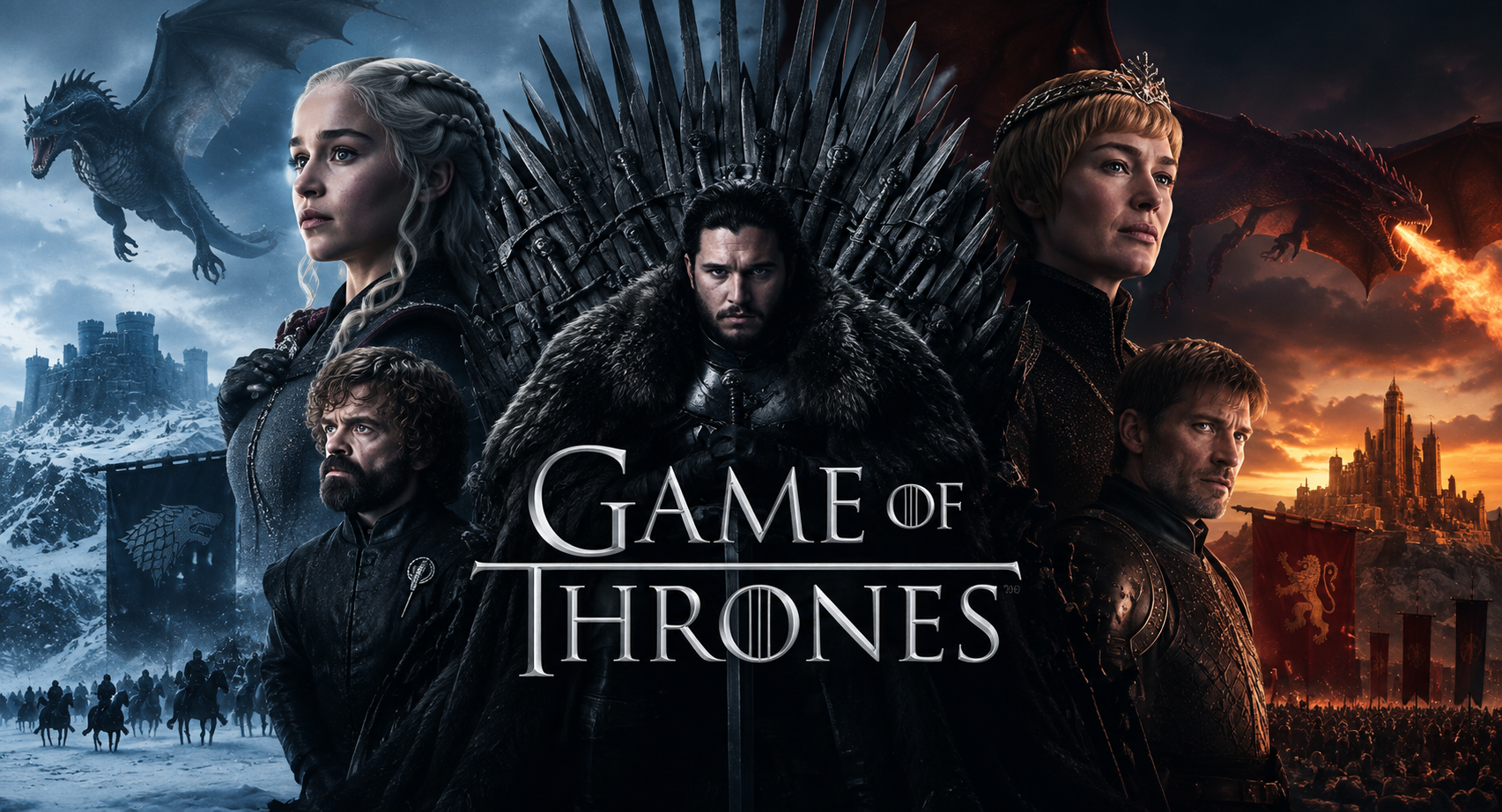
Game of Thrones is one of the most widely recognized fantasy television series of the modern era. Based on George R. R. Martin's A Song of Ice and Fire novels, the series introduced audiences to a world filled with political conflict, family rivalries, war, dragons and constantly changing alliances.
What made the series different was its willingness to focus on complicated characters rather than presenting a simple battle between good and evil.
The World of Westeros
The majority of the story takes place in Westeros, a continent containing several powerful families and kingdoms. Control over the Iron Throne becomes one of the central conflicts of the story.
Different families have their own ambitions, traditions and loyalties. These relationships constantly change as characters form alliances, break promises and compete for power.
Major Houses
Several noble families play important roles throughout the story. Among the most recognizable are House Stark, House Lannister and House Targaryen.
Each house represents different ideas about family, leadership, loyalty and power. Their conflicts create many of the show's most memorable storylines.
Dragons and Fantasy
Although politics and human relationships are central to the series, fantasy elements are equally important. Dragons, ancient threats, mysterious creatures and supernatural forces gradually become increasingly significant.
Although politics and human relationships are central to the series, fantasy elements are equally important. Dragons, ancient threats, mysterious creatures and supernatural forces gradually become increasingly significant.
The combination of realistic political drama with fantasy storytelling helped Game of Thrones reach audiences who might normally watch very different genres.
Why Game of Thrones Became So Popular
- Complex characters
- Large-scale battles
- Political intrigue
- Unexpected twists
- Detailed fantasy world-building
- Strong visual production
- Memorable character relationships
The Legacy of the Series
Game of Thrones had a major influence on television. Its success demonstrated that large-scale fantasy productions could attract enormous international audiences.
The series also created a huge online fan community. Viewers regularly discussed theories, characters, future events and interpretations of the story while new episodes were being released.
Final Thoughts
Game of Thrones remains an important part of modern television history. Its combination of fantasy, politics, family drama and large-scale storytelling helped establish a model that influenced many later productions.
Even years after the original series ended, its characters, world and major moments continue to be discussed by audiences around the world.